WFP Yemen Food Security Update

- 2025-07-01
- 06:50:08
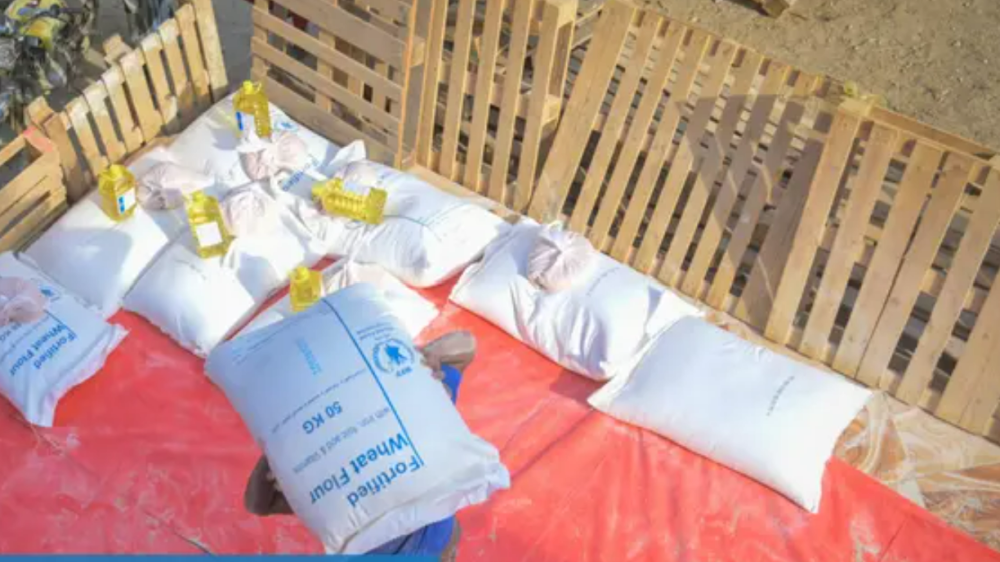


Food insecurity in Yemen has hit record highs. By May 2025, 66% of households couldn’t meet basic food needs (inadequate food consumption).
Severe hunger (household with poor food consumption) rose to 39%, with nearly 1 in 5 households reporting someone in the house went a full day and night without food. The situation is worst in Ad Dali’, Al Jawf, Amran, Lahj, and Hajjah.
17.1 million people are currently in IPC Phase 3 or above in Yemen; this is projected to rise to 18.1 million, including 41,000 facing catastrophic (IPC Phase 5) conditions by Sep 2025.
Economic collapse is deepening. The Yemeni Rial in IRG areas lost 31% of its value (Year-on-Year), pushing food prices up—sunflower oil +55%, wheat flour +30%. Purchasing power continues to erode across the country.
WFP assistance is ongoing in IRG areas, reaching 3.4 million people. However, no food assistance in SBA areas since April 2025 due to the temporary suspension of incoming shipments to northern Yemen, compounded by operational space challenges.
Meanwhile, WFP is facing severe funding shortages, threatening its ability to sustain life-saving assistance nationwide. Yemen humanitarian response plan for 2025 is only 11% funded.
Fuel and food imports via Red Sea ports dropped sharply, while imports through southern ports rose. Local fuel prices hit record highs, especially in IRG areas, further driving food costs.


Aden — The Food and Agriculture Organization of the United Nations (FAO) has announced that it requires more than $86 million to fund its hum…

Paris — Yemen’s Ambassador to UNESCO has announced the official inclusion of seven Yemeni archaeological sites under the organization&r…
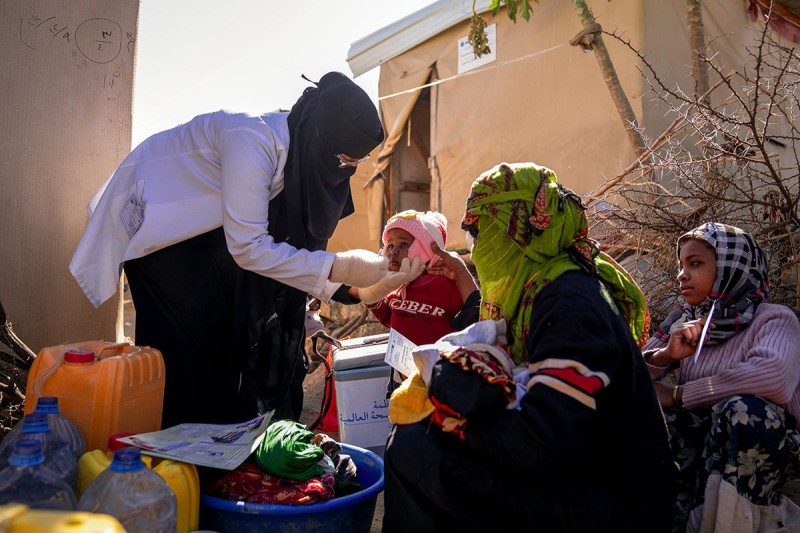
Geneva — The World Health Organization (WHO) has announced that the number of malaria cases worldwide reached 282 million in 2024, representi…