Yemen : Alarming Surge in Malaria Cases in Taiz

- 2025-03-20
- 02:10:37



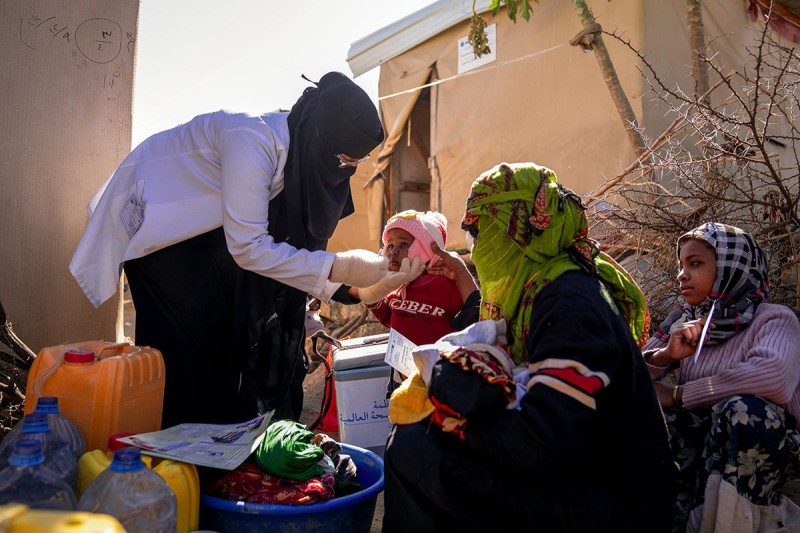
In a concerning development, the Yemeni governorate of Taiz has reported over 50,000 cases of malaria within a single year. This staggering figure highlights the growing public health challenge posed by the disease in the region, which continues to grapple with the effects of prolonged conflict and limited healthcare resources.
Malaria, a preventable and treatable disease caused by Plasmodium parasites, is transmitted through the bites of infected female Anopheles mosquitoes. The outbreak in Taiz underscores the urgent need for enhanced vector control measures, improved access to medical care, and widespread public health campaigns to combat the spread of the disease.
The situation is further exacerbated by Yemen's ongoing humanitarian crisis, which has strained the healthcare infrastructure and hindered efforts to address preventable diseases like malaria. International organizations and local authorities must collaborate to provide immediate support, including the distribution of insecticide-treated bed nets, access to antimalarial medications, and community education programs.
This alarming rise in malaria cases serves as a stark reminder of the critical importance of investing in public health systems and addressing the root causes of disease outbreaks. Without swift and coordinated action, the health and well-being of thousands of individuals in Taiz and beyond remain at risk.



Aden — The Food and Agriculture Organization of the United Nations (FAO) has announced that it requires more than $86 million to fund its hum…

Paris — Yemen’s Ambassador to UNESCO has announced the official inclusion of seven Yemeni archaeological sites under the organization&r…
Geneva — The World Health Organization (WHO) has announced that the number of malaria cases worldwide reached 282 million in 2024, representi…